How Many Orcas Are There in Norway?
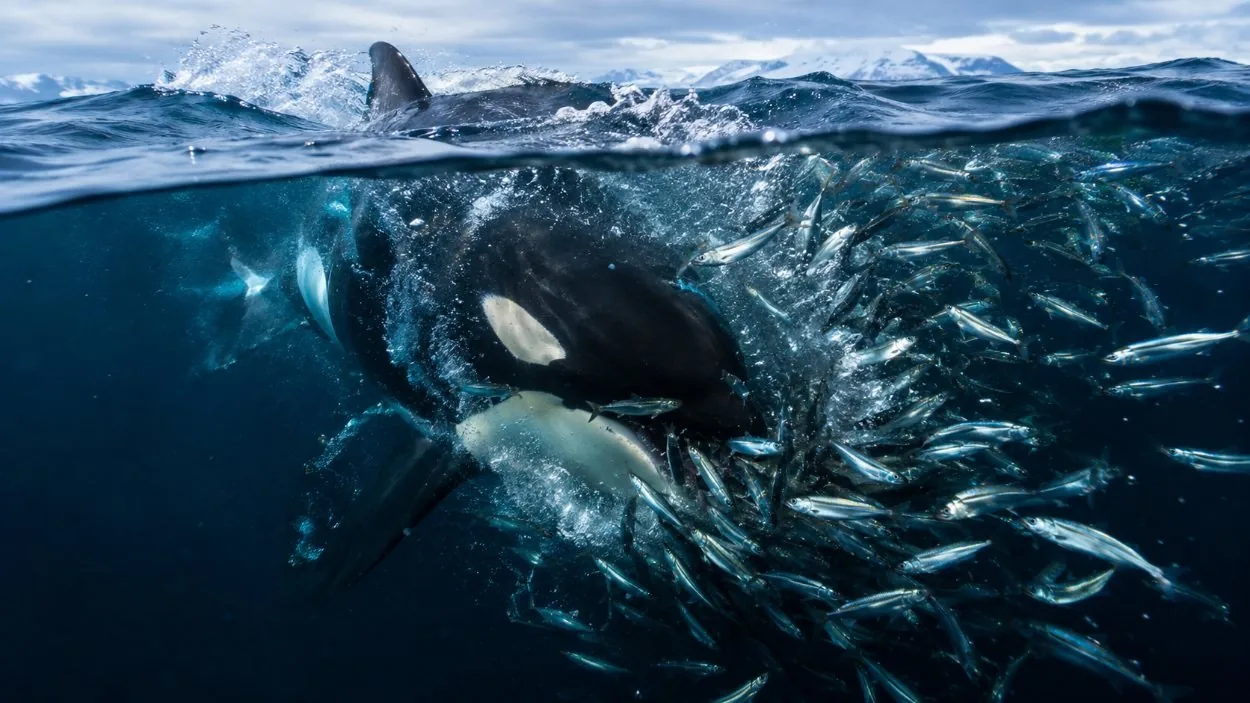
The 73 figure is about a different ocean
Most people who ask this question have a number already in their head, and the number is 73. It is a real figure and it has nothing to do with Norway. It refers to the Southern Resident killer whales of the north-east Pacific, off Washington State and British Columbia: an endangered, salmon-eating community that is counted individually every year, family by family, because there are few enough of them to do that.
They are not the same animals as the ones off Skjervøy. Different ocean, different prey, different population, different conservation picture entirely. If you arrived here worried that you were booking a ticket to look at one of the last seventy-three killer whales on earth, you were not.
What we do know about the Norwegian whales
Long-running photo-identification work — recognising individuals by the shape of the dorsal fin and the saddle patch behind it, then following them across years — has catalogued about 1,000 individual orcas in this herring-feeding population. At least 862 of them regularly use the coastal waters of Northern Norway. That is not an estimate of how many exist. It is a count of how many have been photographed well enough to be told apart, which is a different thing and a much more solid one.
Those are the animals a boat out of Tromsø is looking for. They follow the herring, and satellite tracking of 29 male orcas recorded individual journeys of between 302 and 7,608 kilometres doing exactly that. Where those journeys currently end up in winter is on where to see orcas in Norway.
The survey numbers, and why they jump around
Norwegian “mosaic” surveys cover southern Norway, the northern North Sea and the Barents Sea in blocks over several years. Their estimates for killer whales:
| Survey period | Estimate |
|---|---|
| 2002–2007 | 18,213 |
| 2008–2013 | 8,984 |
| 2014–2018 | 13,909 |
Read those three rows as a trend and you will conclude the population halved and then recovered, which is not what happened. Every one of those figures carries a wide confidence interval. They cover enormous areas of sea, they are built from sightings along survey lines, and the animals move across the whole of it. The honest summary is: thousands to tens of thousands, and the spread between the estimates is itself the information.
If you want one sentence to take away, take this one. There are a great many orcas in Norwegian waters, they are assessed as Least Concern on the Norwegian red list from 2021 and in the 2023 European regional assessment, and none of that tells you whether you will see one on Thursday.
Why plenty of whales still means no promises
A large population spread along a very long coastline is not the same as a whale in front of your boat. What makes a winter trip from Tromsø possible at all is concentration: herring wintering in a few reachable fjords, and orcas gathering to hunt them. Concentration is seasonal, it moves, and it does not run to a schedule. That is why no operator guarantees a sighting, and why a second chance is a re-booking rather than a promise — see sightings and guarantees.
It is also why the answer to “how rare is it to see an orca” changes completely depending on where you are standing. In a Kvænangen fjord in December, not rare at all. From a beach in southern Norway in July, very. The season that makes the difference is on when to see orcas.
Going to look at the catalogued ones
This small-group RIB day works the same fjords the photo-identification work is done in, carries four to twelve people, and includes a year’s access to the operator’s orca documentary series, which is a better introduction to the animals than most things written about them. It rates 4.7 from 1,211 reviews at the time of writing.
Boats that go where the numbers are
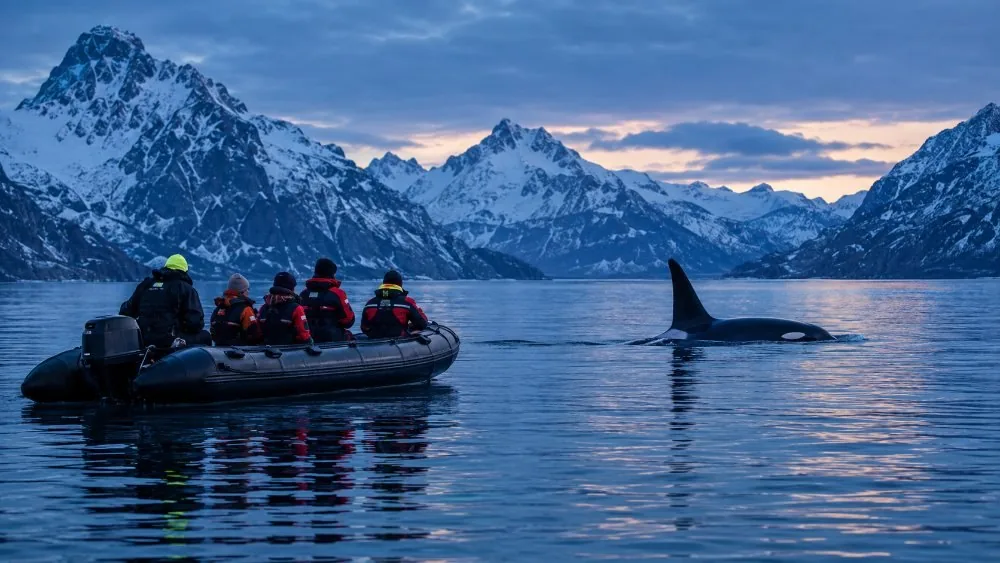 Small RIB groups
From Tromsø: Whale Watching in Magic Skjervøy
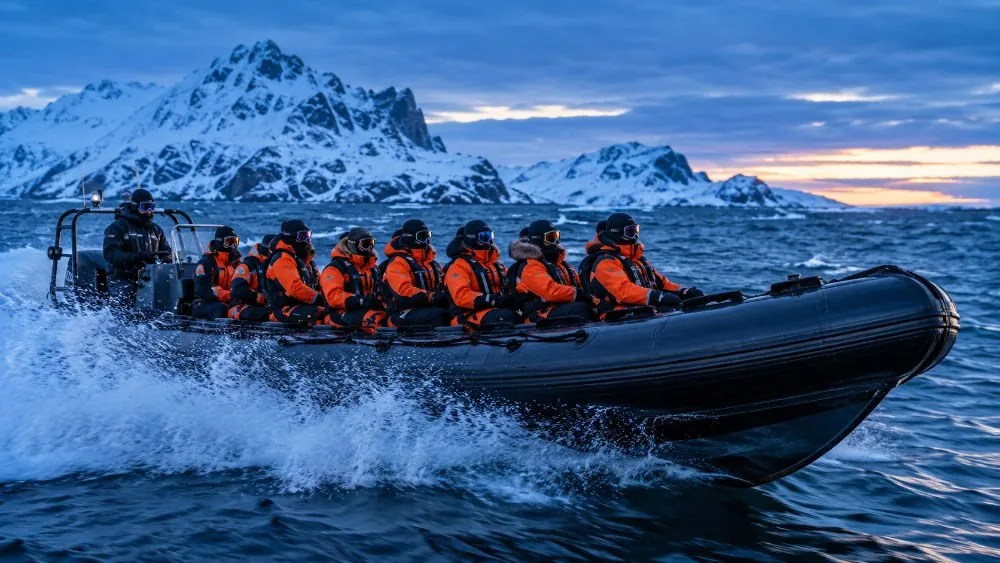 Highest rated
Tromsø: Skjervøy RIB Whale Watching Tour
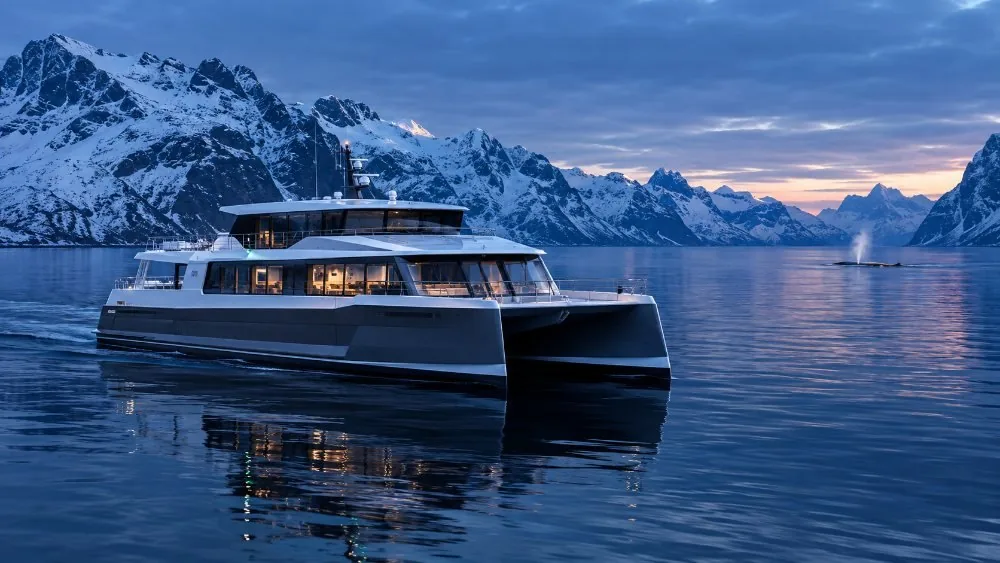 Most booked
Tromsø: Whale Watching Tour by Hybrid-Electric Boat
Frequently asked questions
Are there only 73 orcas left in the world?
No. That figure describes the Southern Resident killer whales of the north-east Pacific, an endangered salmon-eating community off Washington State and British Columbia that is counted individually every year. It has nothing to do with Norway, where photo-identification has catalogued about 1,000 herring-feeding orcas — more on where those whales are.
Which country has the most killer whales?
Nobody can answer that with confidence, because orca populations are counted by different methods in different seas and the confidence intervals are wide. Norwegian mosaic surveys have estimated 18,213 animals for 2002 to 2007, 8,984 for 2008 to 2013 and 13,909 for 2014 to 2018. Numbers that jump like that are estimates rather than censuses. What matters for a trip is where they concentrate — see where to see orcas in Norway.
Are orcas endangered in Norway?
Killer whales are assessed as Least Concern on the Norwegian red list from 2021 and in the 2023 European regional assessment. That is a statement about the population, not about your odds on a given day — concentration is seasonal, which is why nobody guarantees sightings. See sightings and guarantees.