The Whale Watching Capital of the World
Why the phrase exists
Because it works. A destination that can put a superlative on a poster will, and no one has standing to object, because there is no governing body of whale watching handing out titles. The phrase is applied so widely that it has stopped carrying information, which is roughly what happens to every superlative in travel writing eventually.
Tromsø gets called this too, in places. I would rather tell you what is actually true about here, which is narrower and more useful.
What is genuinely distinctive about Northern Norway
- A predictable winter gathering. Norwegian spring-spawning herring winter in the fjords north-east of Tromsø, and herring-specialist orcas come in to hunt them. That concentration is what makes a day trip possible at all — see where to see orcas in Norway.
- Carousel feeding. The orcas here herd herring into a tight ball below the surface, stun them with underwater tail-slaps and eat them one at a time. Watching it is the thing, not the tick on a list.
- Humpbacks in the same water. They follow the same herring and are often the commoner sighting of the two. Minke and fin whales also turn up, and further out some trips have logged sperm whales. The species list is on what else you might see.
- Blue twilight. The season happens in polar night, with roughly 09:00 to 14:00 of usable light. It is why the photographs from here do not look like whale photographs from anywhere else — see polar night.
And what is not
Ease. This is one of the more demanding whale-watching destinations I know of, and the site says so on every page. The whales are not in Tromsø; they are in fjords that cost you either seven to nine hours of sailing or about four hours on a bus in each direction. It happens in the dark and the cold. A place that sold itself honestly as a capital of anything would put that on the poster, and none of them do.
When you see the phrase used anywhere, replace it in your head with three questions: what species, in what months, and how far from the town the boat leaves from. Every destination has a real answer to those, and the real answers are where the decision actually gets made.
Europe, if that is the comparison you are making
People asking about the whale watching capital are usually really asking where in Europe to go. The Azores and Iceland are the other names that come up constantly, and they are genuinely good for different species in different seasons. What Northern Norway offers that they do not is a winter orca gathering you can plan a trip around, inside a window of about ten weeks. Outside those weeks, the argument for coming here for whales gets much weaker, which is the point of the season page and of the February page.
Is it worth coming, superlatives aside?
That depends on what you are prepared to spend the day doing, and I have written a whole page trying to answer it without selling you anything: is it worth it. The short version is that people who come knowing it is a long cold commute with a gamble at the end tend to come back happy, and people who came expecting a sightseeing cruise tend not to.
The trip most people end up on
The hybrid-electric catamaran is the flagship of the Tromsø fleet and the one most visitors book: heated saloons with panoramic windows, Wi-Fi, lunch included, seven to nine hours on the water, and battery power around the whales. At the time of writing it rates 4.5 from 6,653 reviews, the largest sample of the six by a distance.
Compare what is actually on offer
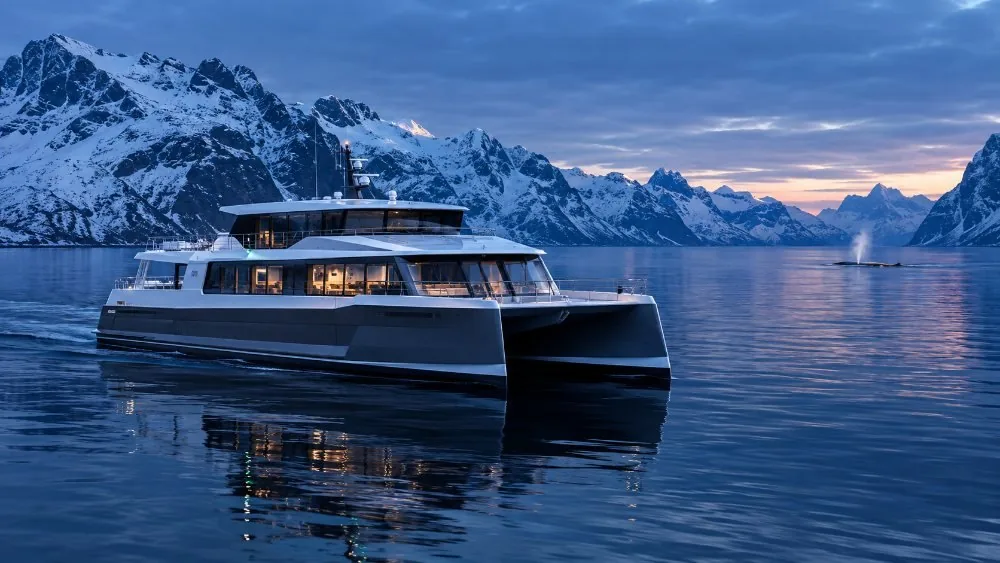 Most booked
Tromsø: Whale Watching Tour by Hybrid-Electric Boat
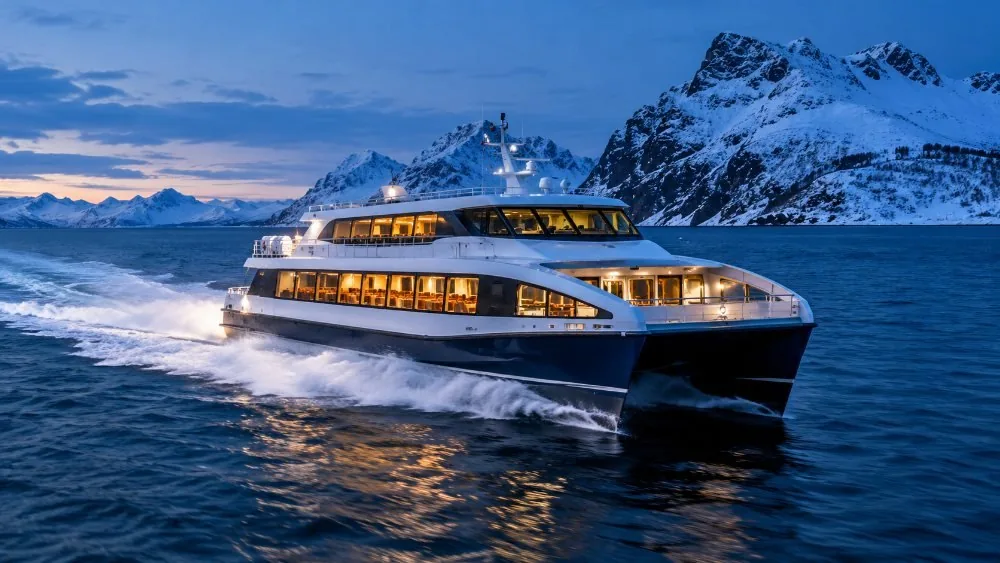 Fast catamaran
From Tromsø: Whale Watching Safari on High-Speed Catamaran
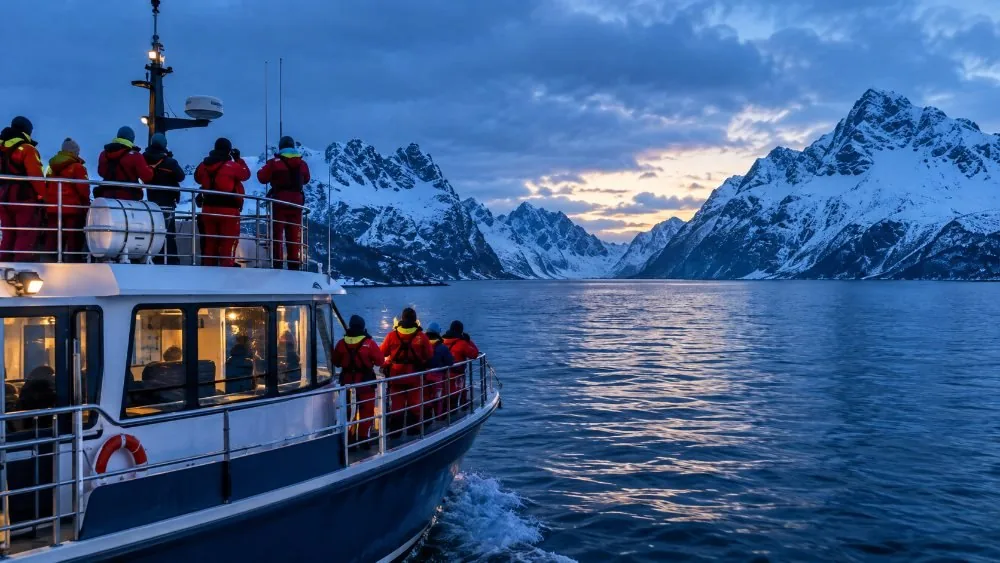 Everything included
Tromsø: Whale & Orca Safari – All-Inclusive (Max 50 pax)
Frequently asked questions
What is the whale watching capital of the world?
There is no official title. The phrase has been claimed for Húsavík in Iceland, Kaikōura in New Zealand, Hermanus in South Africa, the Azores, Baja California and others, and no body awards it. Judge a destination by species, season and distance from shore instead — Northern Norway’s case is set out on the season page.
Where is the best place in Europe to see orcas?
For a winter gathering you can plan around, the fjords near Skjervøy and Kvænangen, north-east of Tromsø, where herring-feeding orcas come in after the wintering shoals from about early November to late January. Getting there takes a boat day or a bus day — see getting to Skjervøy.
Is Tromsø the whale watching capital of Norway?
It is the town most winter whale trips leave from, which is not the same claim. The whales themselves winter in fjords several hours away, and every tour is built around covering that distance. What that means for your day is compared on RIB versus big boat.